
An important part of running any project is clearly communicating project details with the various resources or personnel that are assigned to the project. Depending on the size of the project it may not always be the best option to share an entire schedule with each individual resource. In these cases we can create unique reports to show only one specific resource’s assigned activities and share these customized schedules with the users in a few different ways. In FastTrack Schedule 10 the best way to accomplish this will be to create FastSteps, or combined sets of steps such as applying a layout, filter, or even exporting to a specific file type such as .ics or .jpg.
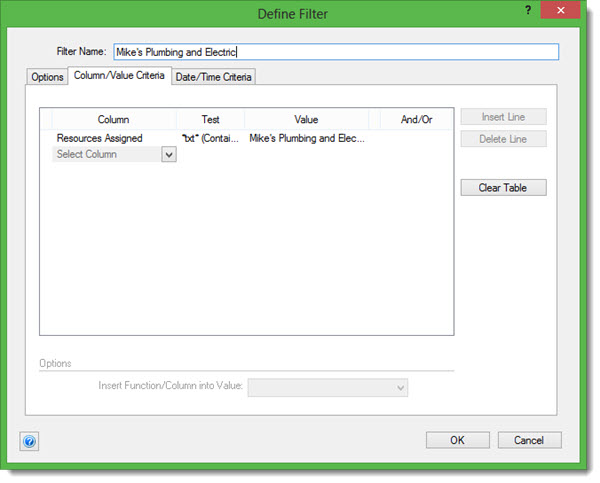
The first step in setting everything up will be to create filters for a specific resource in your schedule. To do this go to Project > Filters > Define. In the Define Filters dialogue select New which allows us to create a new Filter from scratch. Enter a customized filter name (such as the resource name), then switch to the tab labeled Column/Value Criteria. From the Column drop-down list select Resources Assigned, in the Test drop-down list keep the *txt* (Contains) option selected, and finally enter the Resource Name that the filter is for within the Value field. Then select OK to save the Filter and Close to close the Define Filters dialogue.
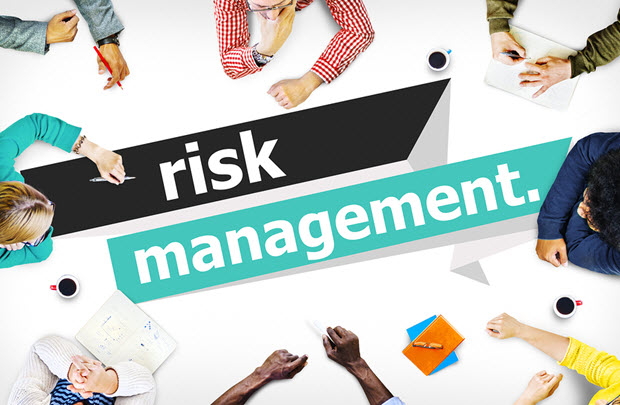 Risk planning…most tell you they hate to spend time on it and often just do a cursory amount of real risk planning. We often find that it’s easier to act now and ask for forgiveness later. Risk planning is like life insurance…great if you need it, but most of us don’t need it before it becomes too expensive to have or we really don’t need it anymore…and all we’ve done is spent hundreds of thousands of dollars on premiums that will never be used. Ouch! I think most project customers would probably agree as well – while grimacing at the thought of their hard-earned dollars floating away when the indestructible Titanic hits that iceberg that no one saw coming.
 Some projects experience some disastrous situations and you wonder, “Can this project be saved?” Maybe not out loud in front of the project client, but you do wonder it. Some can be fixed, some can’t and some take some alternate routes to get back on the road to success. The act of actually throwing in the towel is hopefully one of the last things on your mind. Or at least it should be.
 As project managers there will always be those things that we wish we had known or things we thought we could do but we were too confident to see that we were actually failing. You’ve heard the term “fake it till you make it” right? You’ve probably even read that phrase from me in a few of my articles. I am a firm believer in it because few people – actually no people – start out as real “experts.” They become good…but often the start out as inadequate.
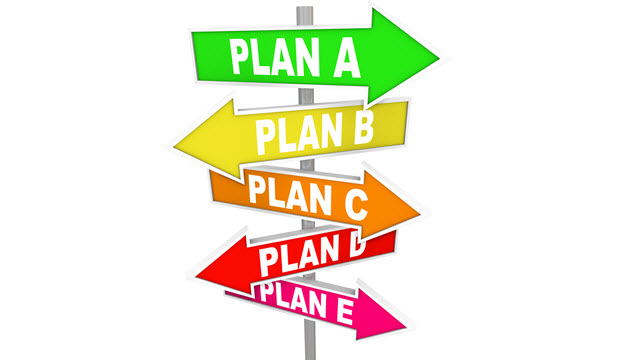 Does your day usually go exactly how you planned it would go when you hit the shower in the morning? Does it ever? Why should we expect something different from the projects that we manage? The teams that we manage? T/he customers that we engage? So many variables. So many things that can go wrong or different or even better than originally planned.
 You can be the most talented and organized project manager there ever was, but never underestimate how much a talented business analyst brings to the table on your technical projects. They are essential for success, in my opinion. With a great BA in place you get better requirements documented, have better oversight of the technical development team on the project, gain valuable assistance on the daily interaction with the project customer, and are virtually guaranteed that user acceptance testing will be pulled off with as few glitches as possible.
 Planning is a chore. I get that. And believe me, I struggle with chores daily – but it’s a way of life if you want to live an organized productive life. The same is true with the projects that we run. If we want to have productive, organized and successful projects, then we can’t run them on luck and shoot from the hip throughout the engagement.
 That said, running a project virtually is not without its own complexities. It is easy to characterize the types of virtual teams using the same categories as traditional teams. They can, however, be much more complex. The two primary categories of variables that make virtual teams more complex are: (1) they cross boundaries related to time, distance (geography), and organization; and (2) they communicate (share information) and collaborate (work together to produce a product) using technology.
 We often say that someone is a “born leader.” Or you argue so well, you need to become a lawyer when you grow up – see the next paragraph… But are project managers pre-disposed to be project managers? Is it something they are born with? Something they grow up to be? Something they are pushed into unwillingly? Maybe all three?
 Considering a career in project management or know someone who is considering such a move? Are you ready? Are they ready? And what does it actually mean to be ready? What steps do you need to take to get to that point?